
Food Safety
Articles about food safety in the UK curry industry
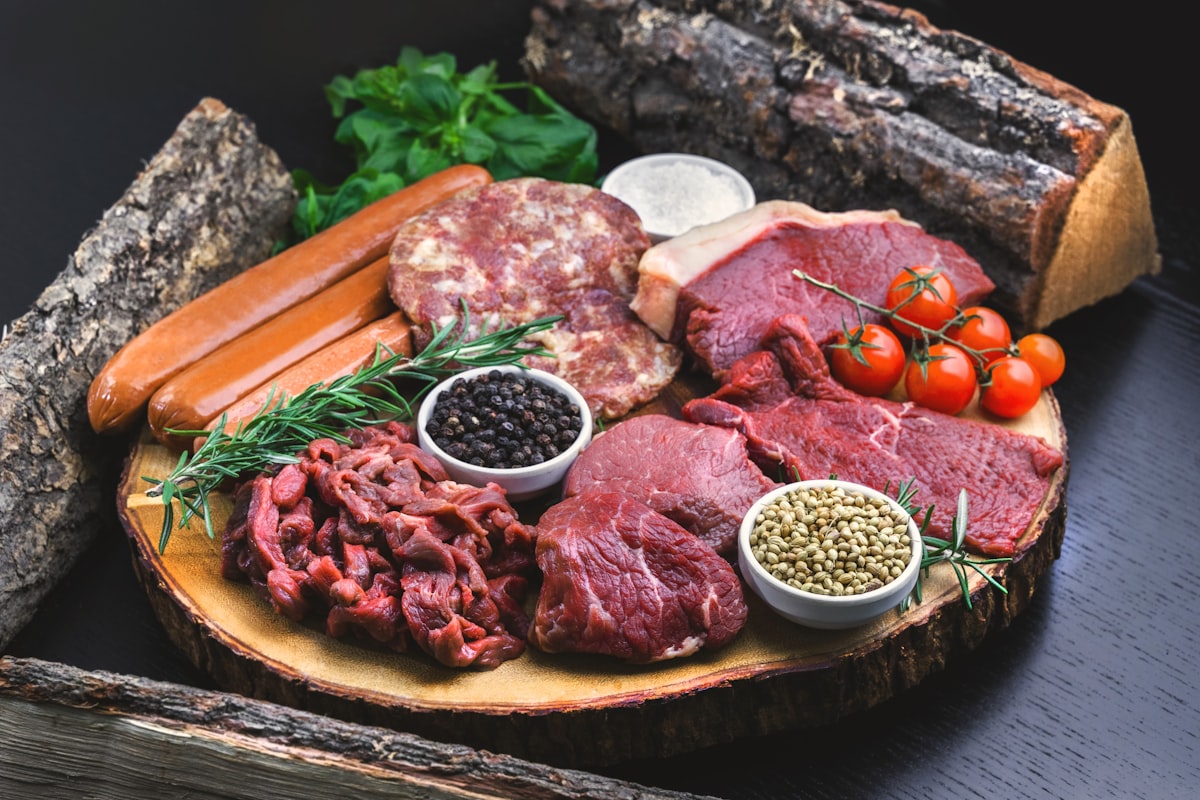
How to Source Halal Meat for Your Restaurant
Halal certification matters to a huge portion of your customer base. Here's how to source it properly and maintain trust.
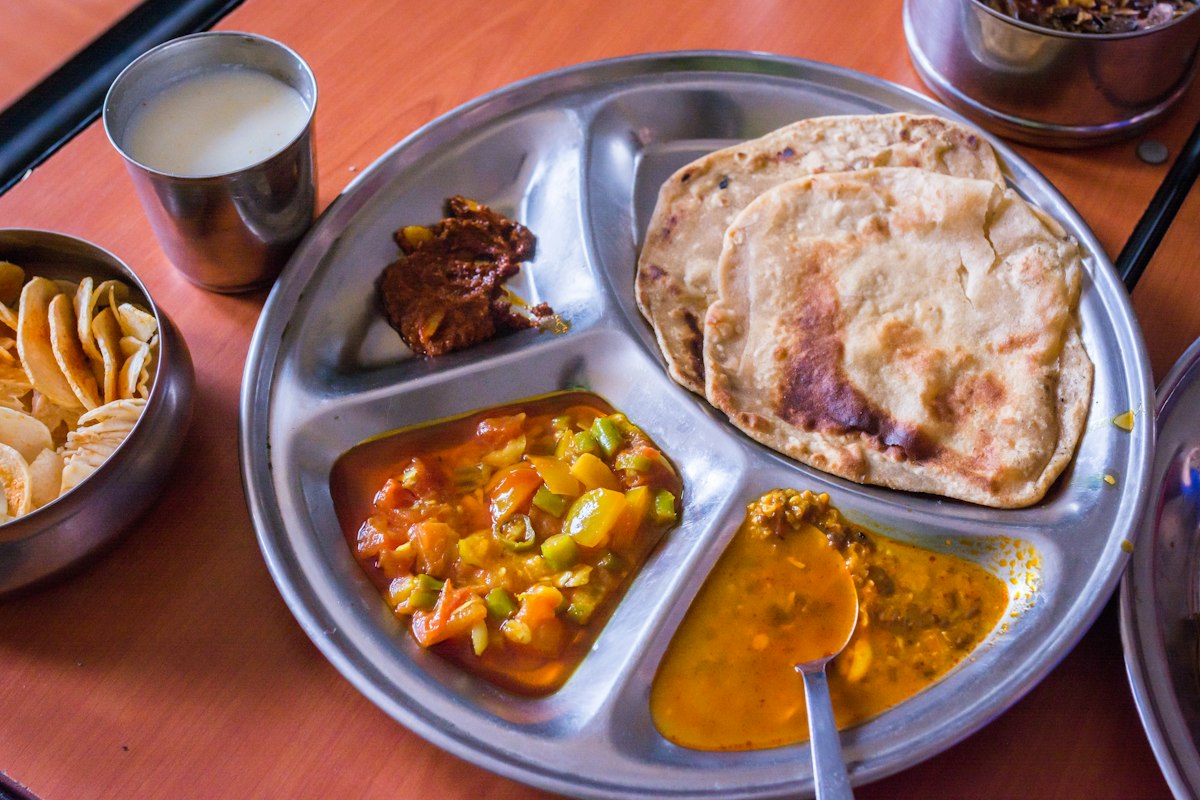
Gluten-Free Curry Options: Safety and Menu Guide
Many curries are naturally gluten-free, but cross-contamination lurks in unexpected places. A guide for restaurants and diners.
Food Safety for Street Food and Market Traders
Selling curry at markets and festivals? The food safety rules still apply — and they're slightly different from a fixed restaurant.

GDPR Compliance for Restaurant Customer Data
If you collect customer emails, phone numbers, or booking data, GDPR applies to you. A simple guide for restaurant owners.

Temperature Control for Curry Buffet Services
Buffets are brilliant for business but risky for food safety. Temperature control is the key to a safe and profitable service.

How to Handle a Food Poisoning Complaint
A food poisoning complaint is every restaurant's nightmare. Here's how to handle it professionally and protect your business.

Pest Control for Curry Restaurants: Prevention Guide
Mice, cockroaches, or flies can shut your restaurant overnight. Proactive pest prevention keeps your kitchen clean and open.

Fire Safety Requirements for Restaurant Kitchens
Kitchen fires are a real risk in curry restaurants. Fire safety compliance isn't optional — here's exactly what you need.

Natasha's Law and What It Means for Curry Takeaways
Natasha's Law changed food labelling requirements for pre-packed foods. Here's what every curry takeaway needs to know.

Food Safety Training Requirements for Restaurant Staff
UK law requires everyone who handles food to be properly trained, instructed or supervised, and getting this right protects both customers and your food hygiene rating. This guide sets out the legal basis, the levels of food hygiene qualification, allergen training under Natasha's Law and the records an EHO will expect to see.

Kitchen Cleaning Schedules for Curry Restaurants
A written cleaning schedule is both a legal expectation and a practical necessity in a busy curry kitchen, where turmeric stains, cooking oil and a hard-working tandoor create particular challenges. This guide sets out how to structure daily, weekly and periodic cleaning, colour-coding, chemical use and the records an inspector wants to see.
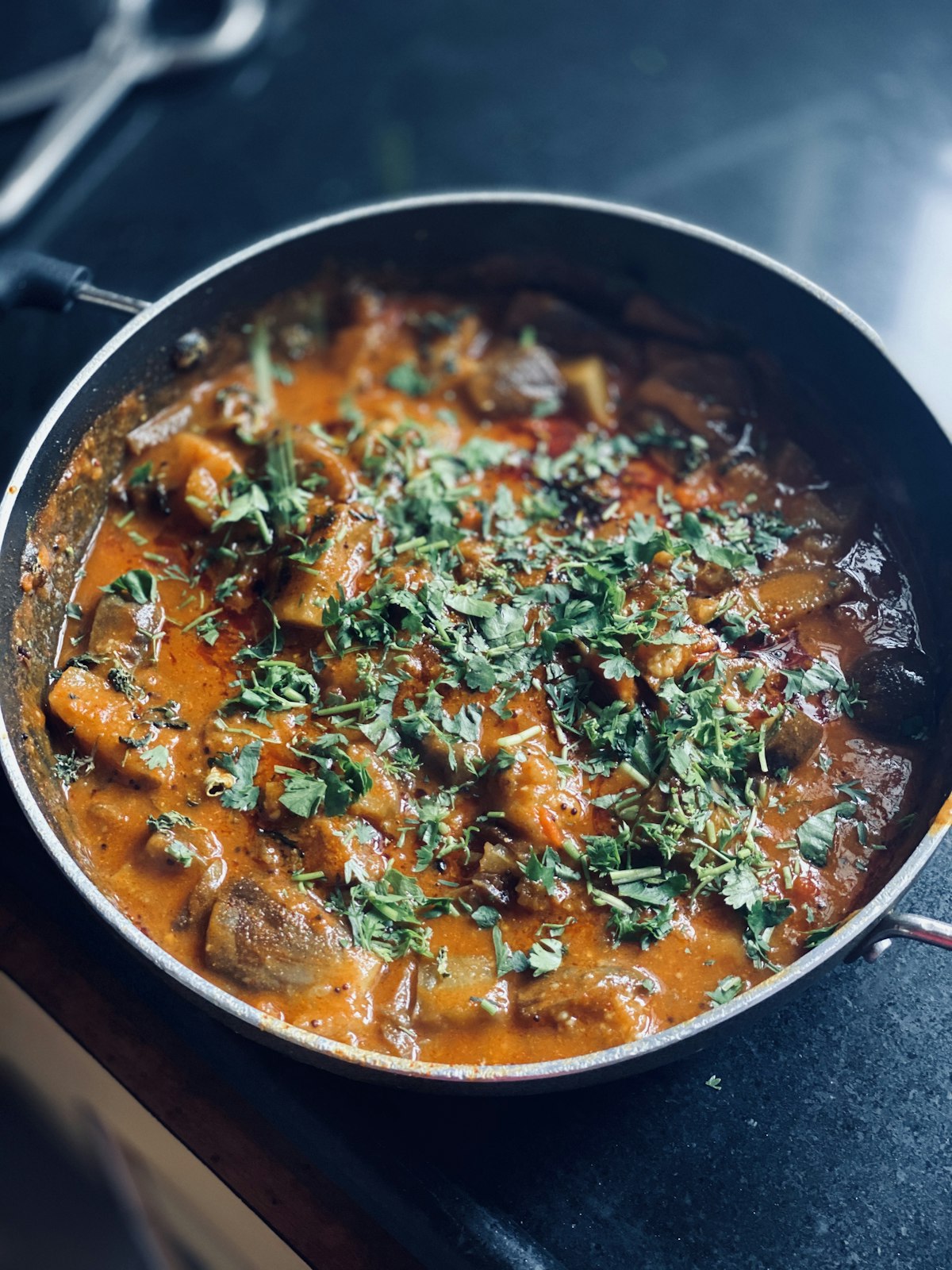
Safe Food Storage Practices for Curry Ingredients
Curry kitchens handle a distinctive mix of ingredients, from yoghurt marinades and fresh coriander to bulk-cooked rice, and each has its own storage risks. This guide covers temperature control, cooked-rice safety, marinated meats, dry spices and the labelling and rotation that keep an inspector and your customers happy.