
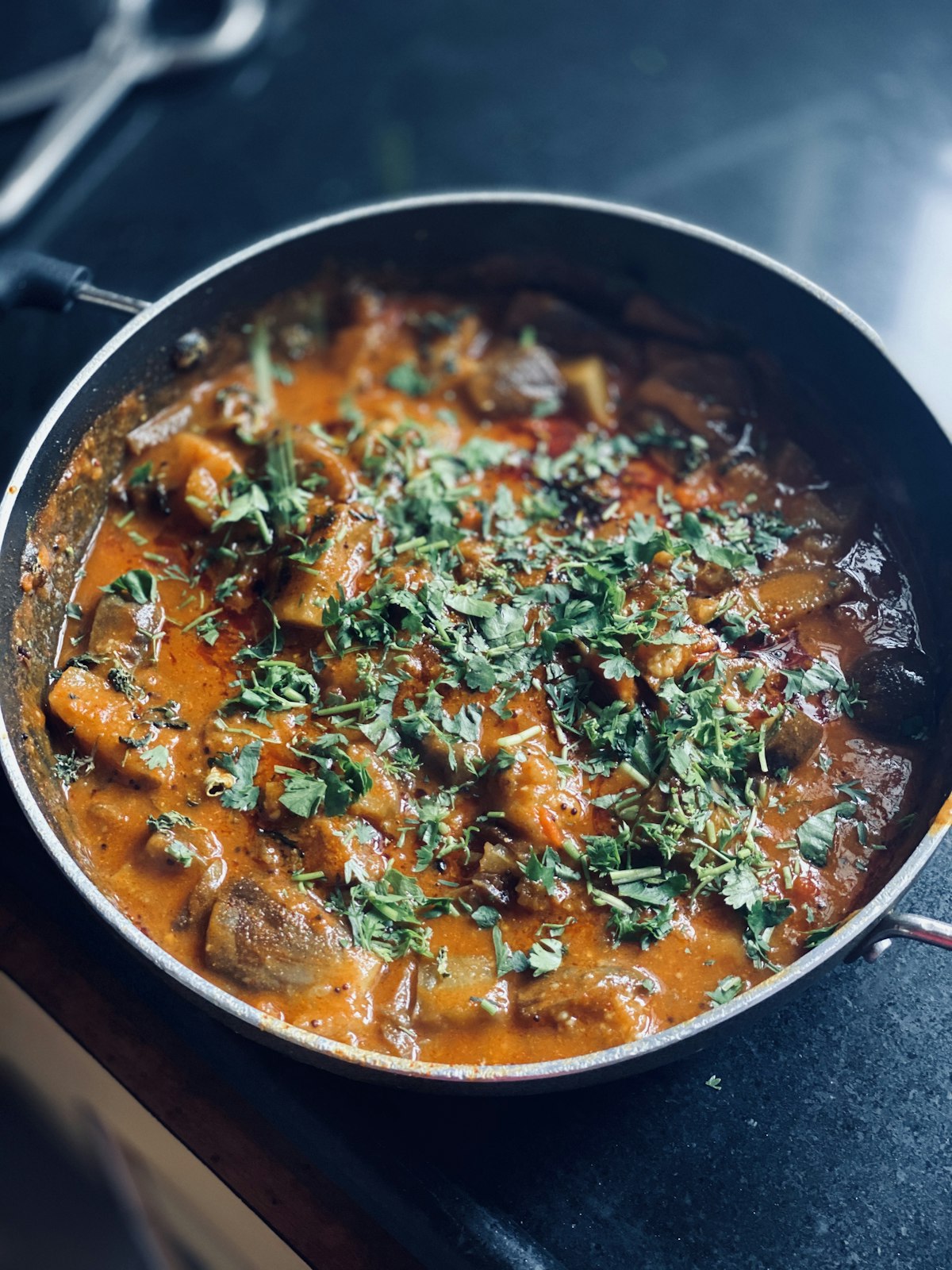
Safe Food Storage Practices for Curry Ingredients
Getting temperature control right
Safe storage begins with temperature, and the UK rules are specific. Cold food that needs refrigeration must be kept at 8°C or below by law, though most kitchens aim for 5°C or colder to give a safety margin. Hot food being held for service must stay at 63°C or above. The zone between these two figures is where bacteria multiply fastest, so the goal is always to move food through it quickly and keep it out of it during storage.
Check and record fridge and freezer temperatures at least daily, using a probe or the appliance display verified against a calibrated thermometer. Freezers should run at around minus 18°C. Do not overload a fridge, as packing it tightly blocks the airflow that keeps everything cold, and never put hot food straight into the fridge, which raises the internal temperature for everything else. Cool cooked food quickly, ideally within ninety minutes, before refrigerating.
The cooked-rice risk you cannot ignore
No ingredient in a curry kitchen deserves more respect than cooked rice. Uncooked rice can carry spores of Bacillus cereus, a bacterium that survives boiling. If cooked rice is then left standing at room temperature, those spores germinate and produce toxins that reheating will not destroy, causing vomiting and diarrhoea.
The safe approach is strict. Cool cooked rice as quickly as possible, ideally within one hour, by spreading it thinly on trays rather than leaving it in a deep pot. Refrigerate it promptly at 8°C or below. Use it within a day, reheat it only once, and make sure it is piping hot right through when you do. Never let cooked rice sit warm for long periods waiting for orders. Because pilau and boiled rice are served with almost every dish, building disciplined rice handling into your routine is one of the single most important food safety steps a curry kitchen can take.
Marinated meats and dairy-based sauces
Curry cooking relies heavily on yoghurt-based marinades for tikka and tandoori dishes, and on cream, yoghurt and ghee in sauces. These are all high-risk, ready-to-spoil ingredients that must stay refrigerated. Marinate raw meat and poultry in the fridge, never at room temperature, in covered, labelled containers, and keep it there until it goes to the tandoor or pan.
Store raw meat, poultry and fish in sealed containers on the bottom shelves of the fridge, below all ready-to-eat and cooked foods, so that no raw juices can drip down and contaminate anything eaten without further cooking. Keep opened tubs of yoghurt, cream and paneer covered and dated, and respect use-by dates strictly. Paneer, a fresh cheese, is perishable and should be used promptly once opened.
Storing dry spices and ambient goods
The spices that define curry cooking are more robust but still need proper storage to stay safe and effective. Ground spices such as turmeric, cumin, coriander and chilli, along with garam masala and dried fenugreek, keep best in airtight containers away from heat, light and moisture. Steam from the range is the enemy, as damp lets spices clump and can encourage mould, while heat and light dull their flavour.
- Keep spices in sealed, labelled containers off the floor and away from the range.
- Store rice, lentils, gram flour and dried pulses in pest-proof, sealed bins.
- Keep oils, ghee and tinned tomatoes in a cool, dry store, and refrigerate ghee once it might turn if your kitchen runs warm.
- Never decant food into unlabelled or non-food containers, and never reuse chemical containers for food.
Protecting dry stores from pests is part of safe storage. Sealed containers, tidy shelving and prompt clearing of spillages deny rodents and insects the food and shelter they seek.
Labelling, dating and stock rotation
Good storage falls apart without good labelling. Every item taken out of its original packaging, and every batch prepared in-house, should be labelled with what it is and a date. Apply the first in, first out principle: place newer stock behind older stock so the oldest is used first. This prevents waste and, more importantly, stops out-of-date food slipping into a dish.
Understand the difference between date marks. A use-by date is a safety deadline on perishable items such as meat, fish and dairy, and food must not be used or sold after it. A best-before date relates to quality rather than safety, common on dry spices and ambient goods. In a curry kitchen where marinades and cooked components are prepared ahead, in-house day-dot labelling of prepped items is essential so nothing is kept longer than it should be.
Separation and the whole-kitchen picture
Finally, storage is about keeping foods apart as much as keeping them cold. Physically separate raw and ready-to-eat foods, allergen-containing ingredients such as nut pastes from everything else, and use covered containers throughout to prevent cross-contamination and to stop food drying out or absorbing odours. Keep an eye on your allergen storage in particular, as a spilled tub of yoghurt or a misplaced bag of ground almonds can turn into a serious incident.
Sound storage is not glamorous, but it is where much of a kitchen's food safety is won or lost. Get temperature, rice handling, marination, dry storage and labelling right, record what you do, and you protect your customers, your rating and the flavours that bring them back.
Related Articles
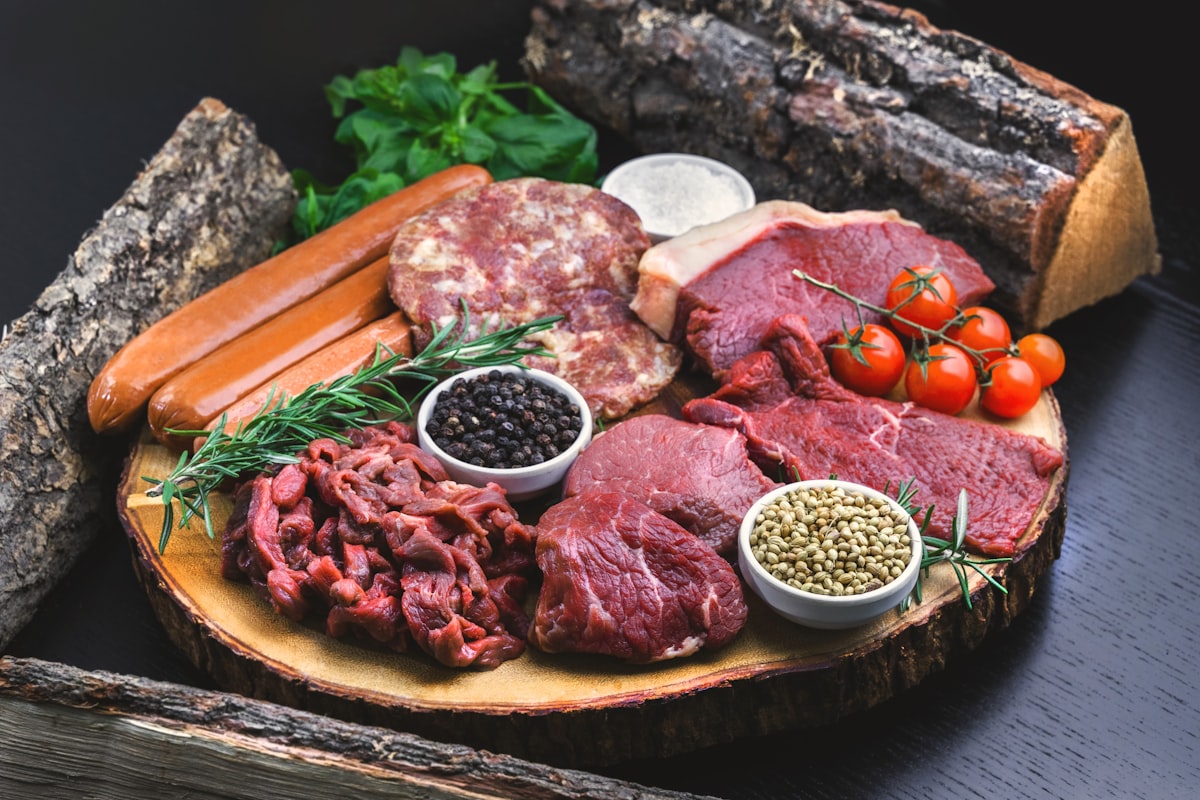
How to Source Halal Meat for Your Restaurant
Halal certification matters to a huge portion of your customer base. Here's how to source it properly and maintain trust.
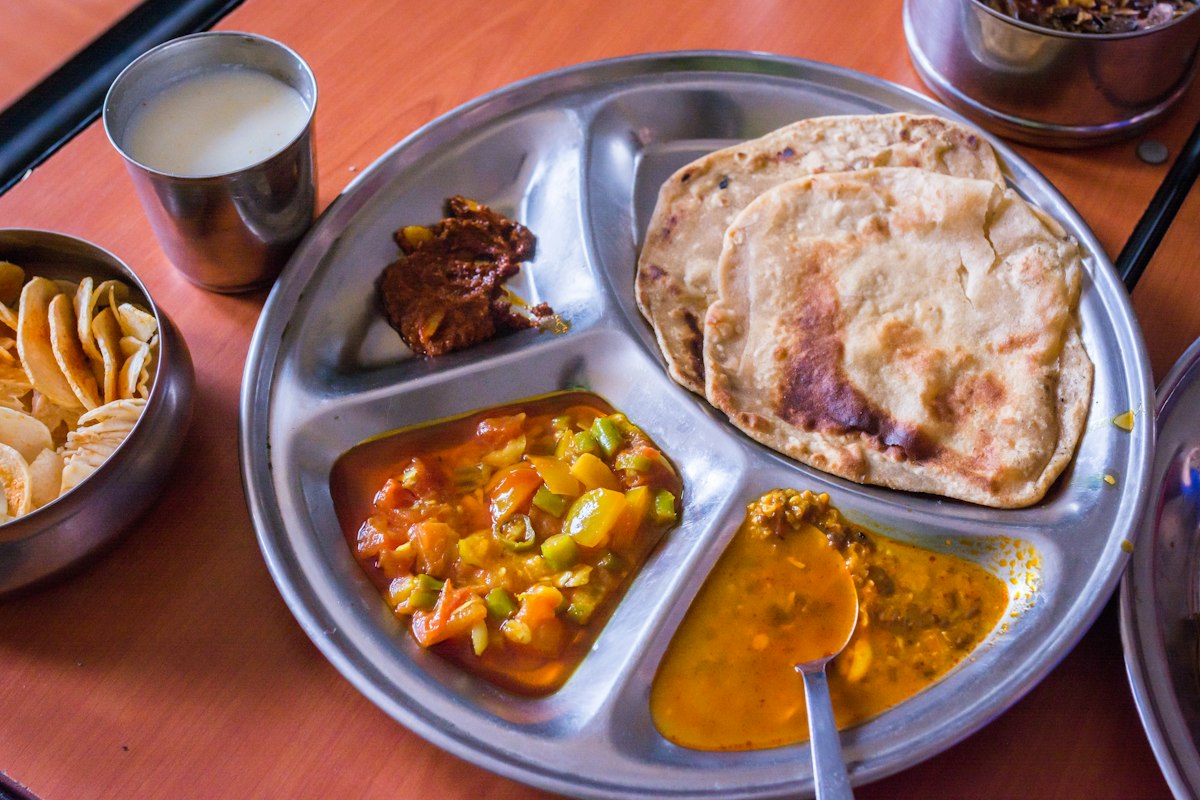
Gluten-Free Curry Options: Safety and Menu Guide
Many curries are naturally gluten-free, but cross-contamination lurks in unexpected places. A guide for restaurants and diners.
Food Safety for Street Food and Market Traders
Selling curry at markets and festivals? The food safety rules still apply — and they're slightly different from a fixed restaurant.