
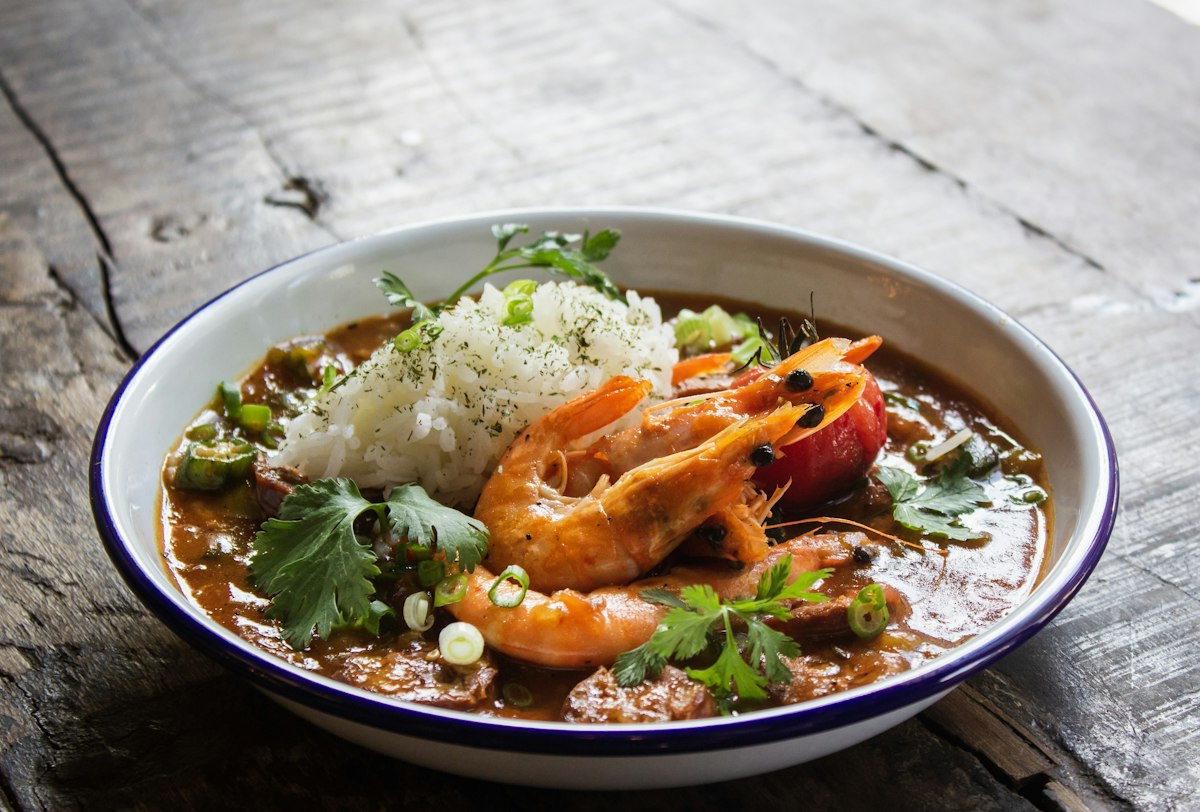
Top UK Food Festivals for Curry Lovers in 2026
Curry's place in the British festival calendar
Curry is woven so deeply into British eating that it appears at nearly every food festival in the country, but a handful of events treat South Asian cooking as the main attraction rather than one stall among many. These range from dedicated curry festivals to broad street-food gatherings where regional Indian, Bangladeshi, Pakistani and Sri Lankan cooks have become the headline draw. For anyone who loves the food, they are a chance to taste dishes and regional styles that rarely appear on high-street menus.
The events below are organised by character, from spice-focused festivals to the melas and street-food markets where the best curry is often found.
Dedicated spice and curry festivals
Several UK towns run festivals built explicitly around curry and spice. These typically combine a marketplace of traders with live cookery demonstrations, chilli-eating challenges and spice merchants selling blends and whole spices you can cook with at home. The appeal is depth: you can taste a Keralan fish curry, a Punjabi chole and a Sri Lankan kottu within an hour, and talk to the cooks about how each is made. Look out for town-centre spice festivals in the North and Midlands in particular, where established South Asian communities support a strong trading scene.
If you go to learn as well as eat, prioritise the demonstration stage. Watching a chef temper whole spices in hot oil, or fold a dosa batter, teaches more than any recipe card and the demonstrations are usually free with entry.
The melas: colour, music and home cooking
Melas are South Asian community festivals that combine music, dance and food, and they are among the best places in Britain to eat genuinely home-style curry. Large melas take place across the summer in cities with significant South Asian populations, and the food stalls are frequently run by community groups and families rather than commercial caterers. That is exactly why the cooking is so good: you find dishes made the way they are cooked at home, from freshly griddled parathas to slow-cooked nihari and proper mango lassi.
- Go hungry and graze widely rather than committing to one big plate.
- Carry cash; smaller community stalls do not always take cards.
- Ask what is freshly made versus held warm, and follow the queues of local families, who reliably know the best stalls.
Street-food markets and festivals
Britain's street-food scene has produced a wave of specialist Indian and South Asian traders who now headline food festivals nationwide, from large touring street-food events to city night markets. This is where curry cooking is at its most inventive: railway-style keema pau, chaat piled with tamarind and yoghurt, dosa wraps, and Indo-Chinese chilli paneer sit alongside more familiar dishes. Weekend street-food festivals in London, Manchester, Bristol, Birmingham and Leeds regularly feature several standout South Asian traders, and following those traders on social media is the surest way to know which festivals they will appear at in 2026.
Regional food festivals with strong curry showings
Broad regional food festivals are worth attending for curry even when it is not the theme, because the best traders travel a circuit of them through the year. Large county and city food festivals across a summer-to-autumn season typically host a cluster of South Asian stalls and often a curry-focused demonstration or two. The practical advantage of these bigger events is space and infrastructure: seating, covered areas and a wider drinks offer, which makes them more comfortable for a full afternoon with family.
Tips for getting the most out of a curry festival
A little strategy turns a good festival day into a great one:
- Arrive early. The most popular traders sell out of their signature dishes, and queues lengthen sharply after midday.
- Pace the heat. Alternate a fiery dish with something cooling such as a raita-based plate or a lassi, so your palate lasts the day.
- Share plates within your group to taste more widely; festival portions are generous and variety is the point.
- Talk to the cooks. Most are proud of a regional speciality and will happily tell you what makes it authentic and how they make it.
- Check dietary needs directly with each trader. Vegan and gluten-free options are increasingly common, but always confirm rather than assume, especially regarding ghee, cream and nut-based sauces.
For traders: is a festival pitch worth it?
If you run a curry business and are weighing up trading at festivals in 2026, treat it as marketing as much as revenue. Pitch fees, staff, a gazebo, gas and stock add up, and busy days can still be marginal on profit once everything is counted. The real return is exposure: thousands of people tasting your food in a day, and a chance to test dishes and build a following that feeds your restaurant or delivery trade. Choose events that match your food, keep the festival menu tight to a few dishes you can cook fast at volume, and make sure your branding and social handles are visible so the crowd can find you afterwards.
Planning your festival year
Because dates, line-ups and venues change annually, confirm details on each event's own channels before travelling, and follow your favourite traders directly, since they announce their 2026 appearances long before the general listings do. Whether you go to eat, to learn, or to trade, Britain's festival calendar offers a richer and more regional experience of curry than any single restaurant menu can.
Related Articles
Wedding Catering with Indian Food: A Growing Trend
Indian wedding catering has gone mainstream in the UK. From intimate receptions to grand affairs, curry is the new wedding feast.
Eid Celebrations: Menu Ideas for Restaurants
Eid is one of the biggest dining-out occasions of the year. Special menu ideas to make the celebration memorable at your restaurant.
Catering for Large Events: A Curry Restaurant Guide
Taking your curry off-site for events is a smart revenue stream. But large-scale catering has its own challenges and rules.