
Sourcing Premium Spices for Your Restaurant
Why spice quality is the cheapest upgrade on your menu
Spices are a tiny fraction of a dish's food cost yet they carry most of its flavour, which makes them the single best-value thing to improve in a curry kitchen. The difference between tired, pre-ground cumin bought on price and freshly milled cumin from a good crop is immediately obvious on the plate. Trading up rarely adds more than a few pence to a portion, and it lets you charge with confidence and build the reputation that keeps tables full. Treating spice as a serious raw ingredient, rather than a commodity you grab from the cheapest box shifter, is the mindset that separates a memorable curry house from a forgettable one.
Buy whole, grind fresh
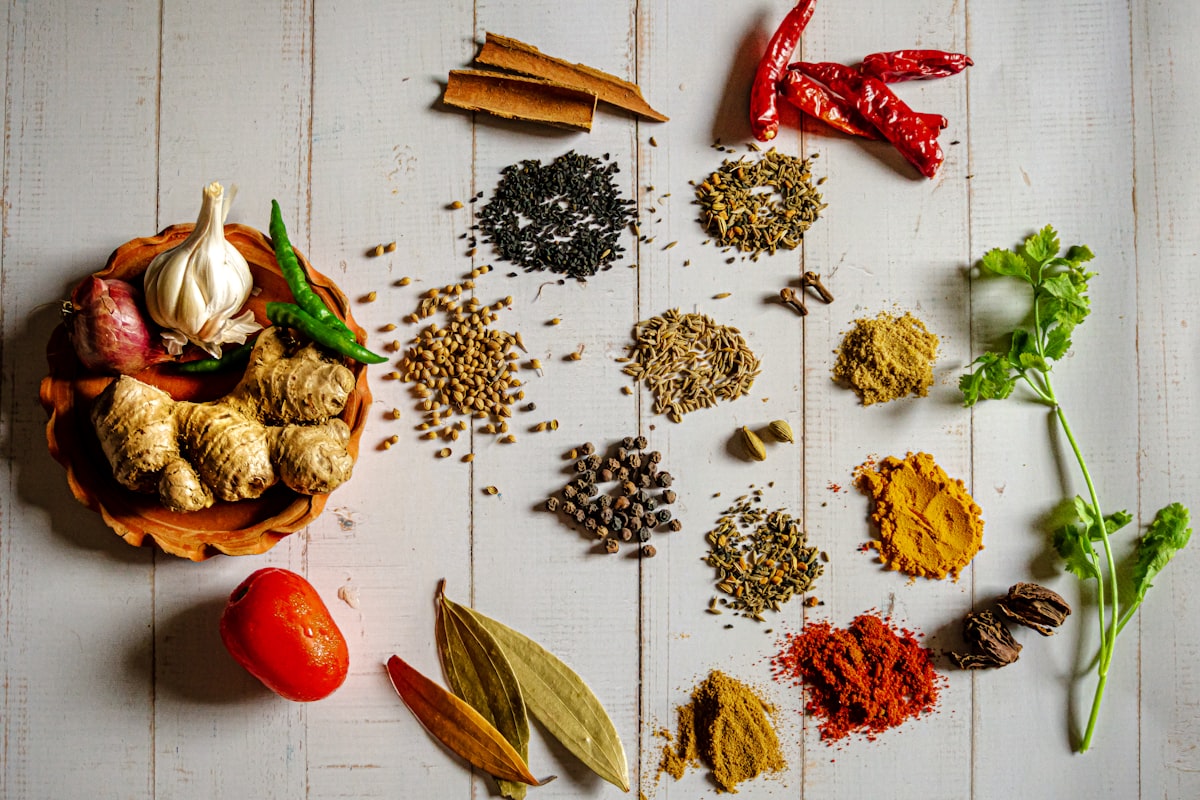
The most impactful change most kitchens can make is to buy whole spices and grind them in-house. Whole cumin, coriander seed, black pepper, cloves, cardamom and cinnamon hold their volatile aromatic oils far longer than pre-ground powders, which start losing potency the moment they are milled. A robust spice grinder or a small wet-and-dry mill lets you produce garam masala and dish-specific blends to your own recipe, in batches small enough to stay fresh.
- Dry-roast whole spices gently before grinding to wake up the oils and deepen flavour.
- Grind only what you will use over a week or two, not a month's worth at once.
- Keep signature blends consistent by weighing spices rather than measuring by eye.
Some items are still best bought ground from a trusted source, particularly turmeric and good Kashmiri-style chilli powder, where in-house grinding is impractical. For these, freshness of supply and colour become your quality markers.
The aromatics worth paying more for
Not every spice rewards trading up equally. Concentrate your budget where quality is most visible on the plate. Green cardamom is a prime example: cheap, hollow, pale pods carry little aroma, whereas plump, deep-green pods perfume a pilau or kheer beautifully. Saffron, used in special biryanis and desserts, is routinely adulterated, so buy whole threads with a deep red colour and buy from a source you trust. Cinnamon versus cassia is another distinction worth understanding, as true cinnamon is more delicate and cassia more robust and both have their place. Whole nutmeg, good cloves and fresh curry leaves all reward careful buying, as do fresh green chillies and ginger, which many kitchens overlook as 'spice' but which drive the freshness of the finished dish.
Wholesalers, importers and cash-and-carry
Where you buy shapes both cost and quality. The UK has a well-established network of Asian food wholesalers and importers, and building a relationship with one or two good ones pays off. A specialist importer who ships directly and turns stock over quickly will generally offer fresher spice than a general cash-and-carry where sacks may sit for months. When you visit a wholesaler, treat it like sourcing any premium ingredient: ask when the current stock arrived, check the aroma and colour, and note packing dates where shown. Buying in sensible bulk lowers your unit cost, but only if you can use the stock before it fades, so match order sizes to your actual turnover rather than chasing the biggest discount.
Judging quality with your senses
You do not need a laboratory to assess spice; your nose and eyes do most of the work. Fresh spice smells vivid and lively. Crush a few cumin seeds between your fingers and the scent should be immediate and warm; if it is faint, the crop is old. Colour tells a story too, from the bright ochre of good turmeric to the deep red of quality chilli. Be alert to adulteration in the cheapest lines, where fillers or excessive stalk can dilute what you are paying for. A simple habit of smelling and looking at every new delivery, and rejecting anything flat or dull, quickly trains your team to spot poor stock.
Storage: protecting what you paid for
Premium spice is wasted if it is stored badly, because heat, light, air and moisture all degrade aromatic oils. Keep spices in airtight containers away from the heat of the cook line, ideally in a cool, dark, dry store rather than on an open shelf above the range. Label every container with the date it was ground or opened so stock rotates on a first-in, first-out basis, and resist the temptation to top up old spice with new, which simply drags fresh product down to the age of the old. Whole spices keep considerably longer than ground, which is another reason the buy-whole approach protects your investment.
Building consistency and provenance into your menu
Once you are buying and storing well, the final step is consistency. Standardise your core blends with written, weighed recipes so every chef produces the same garam masala and the same house masala, then the quality you have paid for actually reaches every plate. Good sourcing also gives you a story to tell: freshly ground spice, carefully chosen cardamom, saffron threads rather than powder. On menus and to guests, honest provenance and a clear commitment to quality ingredients justify your prices and set you apart in a competitive market. Spice done properly is not just a cost line, it is the foundation of everything your kitchen sends out.
Related Articles
Panch Phoron: Mastering Bengal's Five-Spice Tempering
Panch phoron is the Bengali five-spice blend used whole, never ground, and crackled in hot oil to transform dals and vegetables. Here are the five seeds, the reason they stay intact, and how to nail the tempering every time.

Asafoetida (Hing): The Fermented Resin That Powers Jain Kitchens
Asafoetida, or hing, is a pungent resin that transforms in hot oil into a savoury, almost oniony depth, which is why it sits at the heart of Jain and onion-free cooking. Here is how to bloom it correctly, why it soothes dals, and how to choose pure over compounded hing.

Mustard Oil: The Pungent Soul of Bengali and Bihari Cooking
Mustard oil gives Bengali and Bihari food its unmistakable sharp, nose-tingling kick, but it needs to be heated to smoking point before use to mellow that raw bite. Here is why you smoke it, how it powers fish and pickles, and the curious 'external use only' label found on UK bottles.