
Rice and Grain Suppliers for UK Curry Restaurants
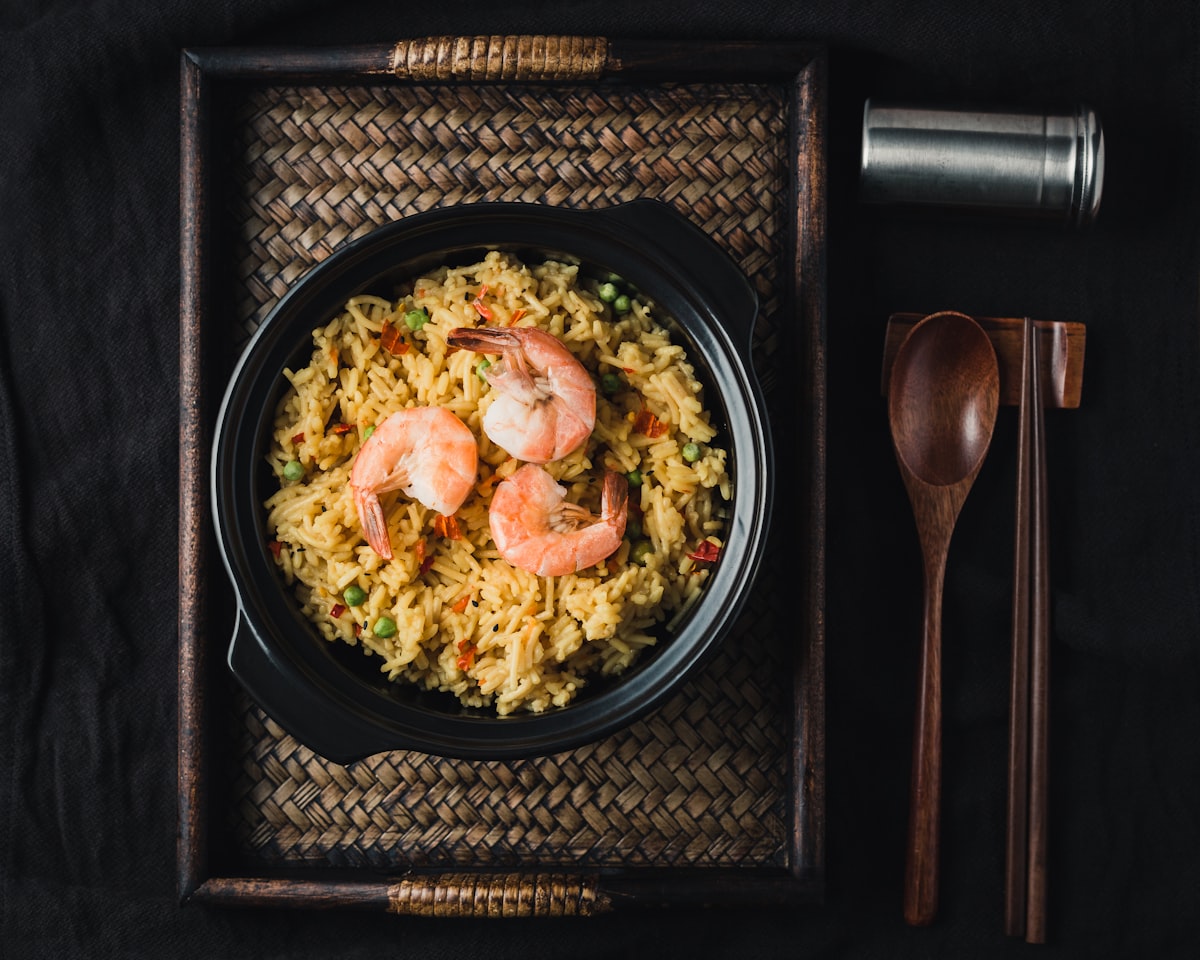
Rice is not a side dish in a curry restaurant. It is the plate itself, the thing that carries the sauce, fills the diner and, quietly, makes or breaks the reputation of the kitchen. A superb curry served over sticky, broken, cheap rice is a disappointment; a modest curry over separate, fragrant, properly cooked basmati still satisfies. Yet rice is often the line a new operator gives least thought to when setting up their supply. It deserves far more.
Why basmati, and which basmati
The default rice of the British curry house is long-grain basmati, prized because the grains stay long, slender and separate when cooked, and because ageing gives it a characteristic aroma. Not all basmati is equal, though, and the differences matter commercially. Aged basmati, matured for a year or more before milling, cooks drier and fluffier and swells to a greater length, which means better yield per kilo and a more impressive plate. Younger rice is cheaper but cooks stickier and gives less.
Grades run from whole extra-long grain down to broken rice, and the proportion of broken grains in a sack is one of the truest measures of quality. A cheap bag padded with broken grains cooks unevenly and looks poor on the plate. Most restaurants settle on a mid-to-premium branded basmati, often one of the well-known names imported from India or Pakistan, having tested a few for how they cook, how far they swell and how they hold during a busy service.
Where restaurants buy their rice
The trade has three main channels, each suiting a different scale of operation.
- Cash-and-carry chains such as the large Asian wholesale warehouses are the workhorse of the sector. They stock catering sacks, typically 5kg, 10kg and 20kg, of the popular brands and let an operator buy weekly at trade prices.
- Broadline foodservice suppliers deliver rice alongside everything else on a single invoice, which suits kitchens that value one drop over the keenest price.
- Importers and specialist rice distributors sell in pallet quantities and offer the sharpest pricing, worth it only for high-volume restaurants or small groups that can store and turn over the stock.
Buying in bigger sacks lowers the unit cost, but only if the rice is used before quality drifts and only if there is dry, pest-proof space to store it. There is no saving in a discounted pallet that goes stale or gets into weevils.
Consistency between sacks and seasons
Rice is an agricultural product, and harvests vary. A brand that cooked beautifully in the spring can behave slightly differently after a new crop reaches the warehouse: absorbing more or less water, swelling more or less. A kitchen that cooks rice by a fixed recipe without adjusting will notice its rice going gluey or staying hard for no obvious reason. The practical answer is to treat the water ratio and soaking time as things to check against each new batch rather than fixed forever, and to buy consistently from the same brand and grade so the variation stays small. Some larger kitchens even note the batch and any tweak to the method, which sounds fussy until the day a new sack behaves badly during a full restaurant.
Storing rice properly
Dried rice keeps for a long time, but only if stored correctly, and pests are the real enemy in a warm kitchen store. The classic problems are rice weevils and grain moths, which can arrive in a sack or migrate from other dry goods.
- Decant working stock into sealed, food-grade containers rather than leaving open paper sacks on the floor.
- Keep the store cool, dry and well ventilated, with stock raised off the floor on shelving or pallets for cleaning and inspection.
- Rotate strictly, first in first out, and date deliveries as they arrive.
- Inspect regularly for webbing, moving grains or a musty smell, and isolate any affected sack immediately.
Good storage is also part of what an environmental health officer expects to see, so a tidy, labelled, pest-controlled dry store earns marks on more than one front.
Beyond basmati: the wider grain and pulse cupboard
Rice is the headline, but the same suppliers stock the rest of the grain and pulse shelf that a full curry menu relies on. A well-run kitchen sources these through the same cash-and-carry relationship to keep ordering simple:
- Flours: chapati atta and plain white flour for breads, gram flour for pakora and bhaji batter, and often self-raising or strong flour depending on the naan and bread programme.
- Pulses and lentils: red masoor, yellow toor and moong, chana dal, whole urad and dried chickpeas and kidney beans for the dal and vegetable dishes.
- Speciality rices for particular dishes, and semolina where the kitchen makes its own sweets.
These are dry, long-life goods that suit bulk buying, provided the storage discipline holds. Flour in particular has a shorter useful life than rice and can go rancid or attract pests, so it should be bought in quantities the kitchen genuinely turns over.
Getting the supply relationship right
Because rice is a commodity with real price movement, it pays to watch what you are charged rather than trusting a set price to hold. Sack prices shift with the harvest, exchange rates and shipping costs, and a supplier will not always volunteer that a rival has dropped their price. Comparing two or three cash-and-carries periodically, buying to a par level rather than panic-stocking, and keeping a reliable second source for the day your usual brand is out of stock are the unglamorous habits that keep the rice both good and affordable. The customer never sees any of it. They just see a plate of long, fragrant, separate grains and come back for more.
Related Articles
Panch Phoron: Mastering Bengal's Five-Spice Tempering
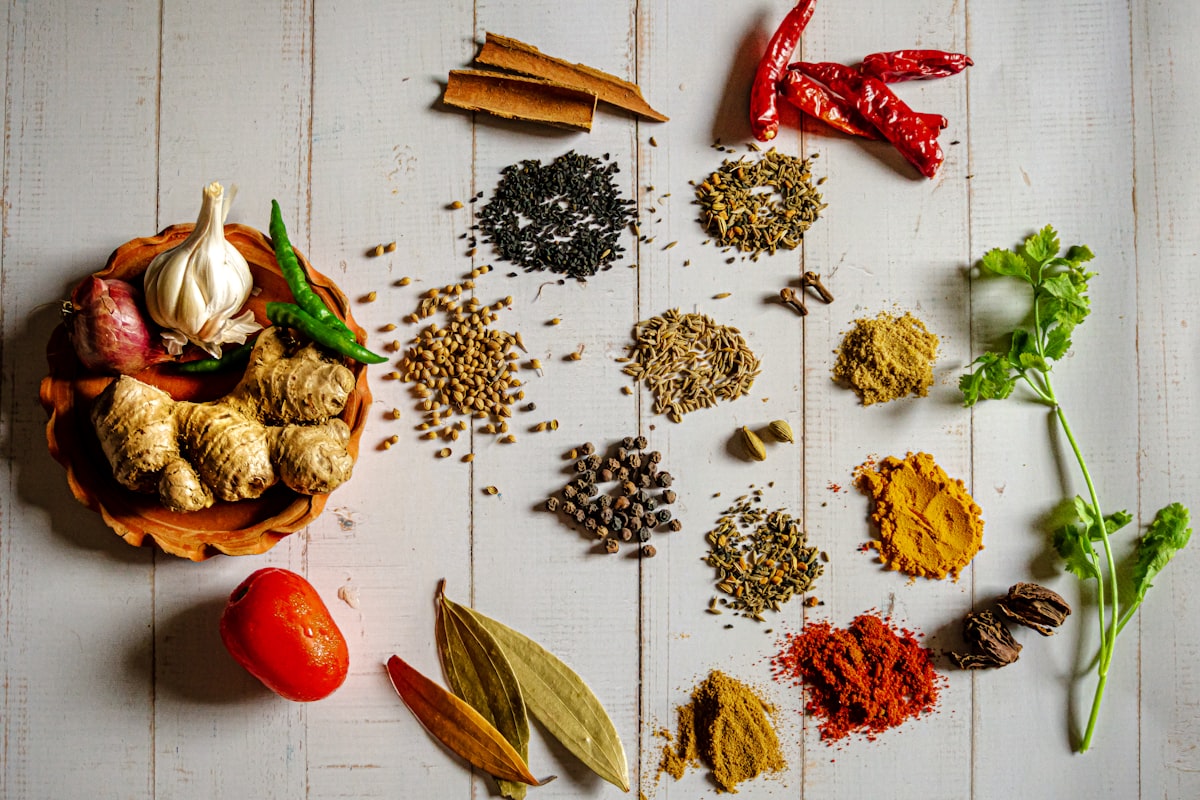
Panch phoron is the Bengali five-spice blend used whole, never ground, and crackled in hot oil to transform dals and vegetables. Here are the five seeds, the reason they stay intact, and how to nail the tempering every time.

Asafoetida (Hing): The Fermented Resin That Powers Jain Kitchens
Asafoetida, or hing, is a pungent resin that transforms in hot oil into a savoury, almost oniony depth, which is why it sits at the heart of Jain and onion-free cooking. Here is how to bloom it correctly, why it soothes dals, and how to choose pure over compounded hing.

Mustard Oil: The Pungent Soul of Bengali and Bihari Cooking
Mustard oil gives Bengali and Bihari food its unmistakable sharp, nose-tingling kick, but it needs to be heated to smoking point before use to mellow that raw bite. Here is why you smoke it, how it powers fish and pickles, and the curious 'external use only' label found on UK bottles.