
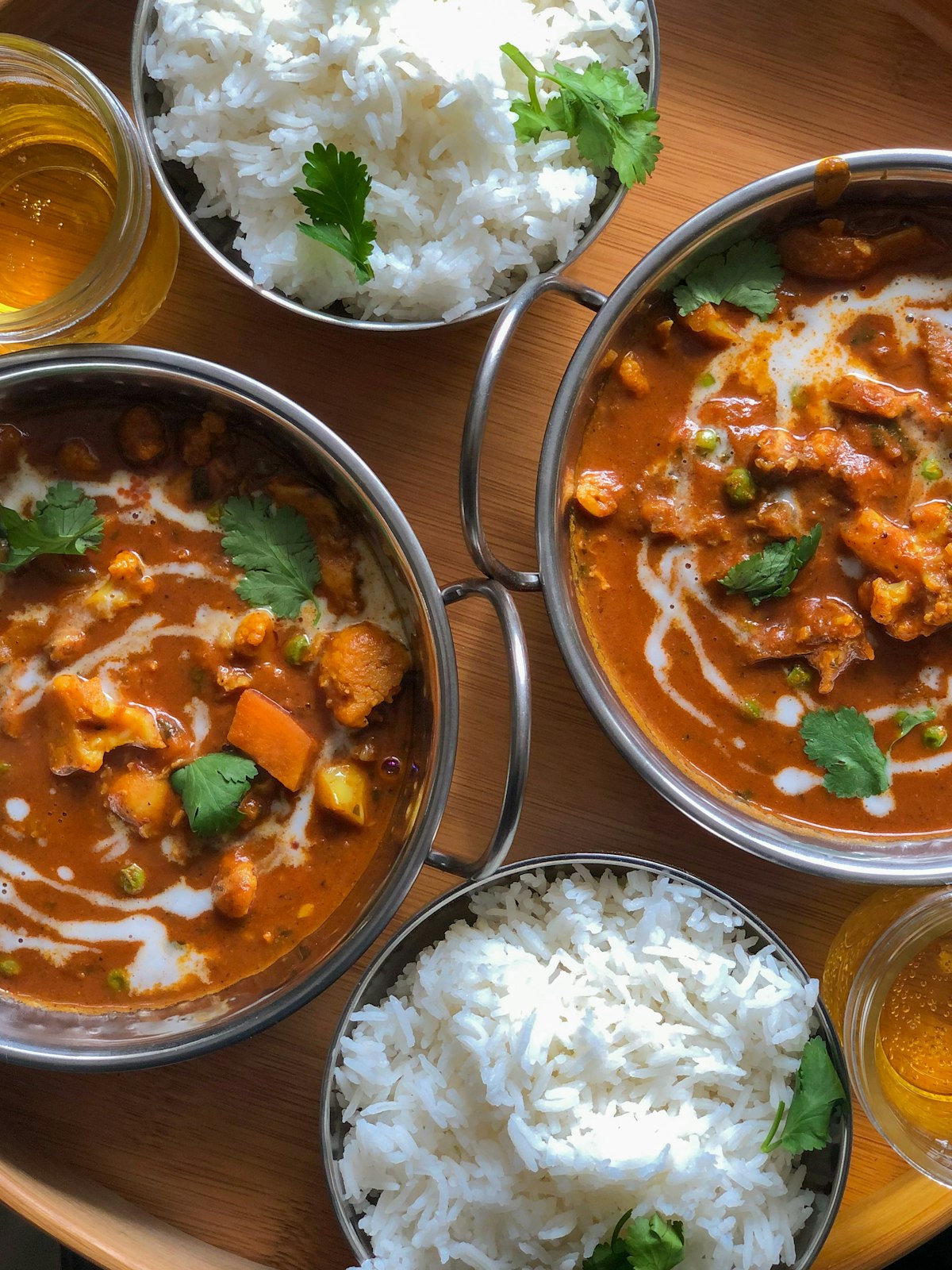
National Curry Week: How Restaurants Can Participate
What National Curry Week is, and why it is worth your time
National Curry Week is an annual celebration of curry in Britain, held each autumn, that gives restaurants a ready-made reason to draw attention to themselves. Unlike a quiet mid-week trade, it comes with built-in public awareness: press cover it, food writers look for stories, and diners are primed to book a table. For an independent restaurant, the value lies in latching onto that existing momentum rather than trying to manufacture interest from nothing. A well-planned week can lift covers during a traditionally slower autumn period and win new regulars who discover you for the first time.
Build a menu that gives people a reason to come in
The centrepiece of any participation should be the food. A limited-time menu creates urgency and gives customers something they cannot get the rest of the year. Consider a few distinct angles rather than a generic discount:
- A regional showcase: run a week of dishes from a specific region, Goan, Bengali, Keralan, Kashmiri, that most local menus never feature, and tell the story behind each.
- A chef's tasting menu: a fixed multi-course line-up that lets the kitchen show off, priced as an event rather than a bargain.
- A heritage dish: revive an old family recipe or a classic that has fallen out of fashion, with a short note on its origins.
- A build-your-own or spice-flight option that lets diners compare heat levels and understand how a curry is layered.
Whatever the format, the aim is to give people a talking point and a photograph worth taking, both of which do your marketing for you.
Tie it to a good cause
National Curry Week has long carried a charitable dimension, and building a fundraising element into your week does double duty: it feels good and it gives the local press a genuine story to run. You might donate a fixed sum from every portion of a signature dish, run a charity curry night with a set menu where proceeds go to a chosen cause, or collect for a local food bank. Pick a cause with a local connection where possible, because a hometown angle is far more likely to earn coverage in the regional paper than a generic national charity. Be transparent about how much you raised and share the total afterwards; it builds trust and gives you a follow-up story.
Make some noise online
Social media is where much of the week's energy lives, and it costs nothing but effort. Plan a simple content run across the week rather than posting once and hoping:
- Announce your menu a week or two ahead so people can plan and book.
- Post short behind-the-scenes clips, the tandoor firing, a curry being finished on the pass, spices being ground, that show craft rather than just a plate.
- Use the recognised hashtags for the week so your posts surface alongside the national conversation.
- Run a small giveaway, a meal for two, in exchange for follows and shares to widen your reach.
- Encourage diners to tag you and repost their photos, which is authentic and free.
Consistency matters more than polish; a genuine phone video of a busy kitchen outperforms an over-produced advert on most local feeds.
Turn the week into an event
Beyond the menu, an actual event gives people a reason to choose you over the restaurant down the road. Options that work well include a cookery demonstration or masterclass where the chef teaches a couple of dishes, a spice-tasting or curry-and-beer pairing evening, or a family day with milder dishes and activities for children to broaden your audience. Collaborations also punch above their weight: partner with a local brewery, a wine merchant or a nearby dessert maker to cross-promote, so each business brings its own followers to the table. Events sell tickets, fill quieter nights and generate content you can use long after the week ends.
Get the local press and community involved
Local media are actively looking for seasonal stories, and National Curry Week is an easy one to pitch. Send a short, friendly release a couple of weeks ahead covering your menu, any charity element and any event, with a good photograph attached and a line the journalist can quote. Invite a local food blogger or the paper's reviewer in. Reach out to nearby offices with a lunch offer or a catering deal for the week, since curry is a popular team lunch. The community angle, a restaurant that is part of local life rather than just a business, is consistently the most effective story to tell.
Plan ahead and measure what worked
The restaurants that get the most from the week are the ones that start planning a month or more in advance: designing the menu, briefing staff, ordering any special ingredients, and scheduling social posts so the week itself runs smoothly. Brief your team so everyone can explain the menu and the cause confidently. Afterwards, take an hour to review what happened, which dishes sold, which posts landed, how many new bookings came through, so that next year you repeat what worked and drop what did not. Treated as an annual fixture rather than a one-off, National Curry Week becomes a reliable engine for new custom and community goodwill.
Related Articles

Wedding Catering with Indian Food: A Growing Trend
Indian wedding catering has gone mainstream in the UK. From intimate receptions to grand affairs, curry is the new wedding feast.
Eid Celebrations: Menu Ideas for Restaurants
Eid is one of the biggest dining-out occasions of the year. Special menu ideas to make the celebration memorable at your restaurant.
Catering for Large Events: A Curry Restaurant Guide
Taking your curry off-site for events is a smart revenue stream. But large-scale catering has its own challenges and rules.