
Google Business Profile Optimisation for Restaurants
Why your Profile is your real front door
For most restaurants, the Google Business Profile has quietly overtaken the website as the first thing a hungry customer sees. Someone searching "curry house near me" on their phone at 6pm rarely scrolls past the map results and the three listings pinned to it. That panel is your Profile: your photos, your star rating, your opening hours and the single tap that dials your number. Getting it right is not a marketing nicety, it is the difference between a fully booked Friday and a quiet one.
The good news is that the Profile is one of the few high-impact channels you fully control and can optimise in an afternoon. The work is not glamorous, but it compounds.
Choose categories with surgical precision
Your primary category is the strongest single signal you send Google about what you are. Do not leave it as a vague "Restaurant". If you are a Bangladeshi or Indian restaurant, set the primary category accordingly ("Indian restaurant", "Bangladeshi restaurant" or "Curry restaurant" depending on availability), then add secondary categories that genuinely apply, such as "Takeaway", "Balti restaurant" or "Halal restaurant".
Only claim categories you truly serve. Adding "Fine dining restaurant" to a casual takeaway will confuse the matching and can attract the wrong reviews. The aim is accuracy, not breadth.
Photos do the heavy selling
Listings with strong, plentiful photography get materially more clicks and direction requests than bare ones. Treat this as a small production, not a phone dump:
- Cover and logo: a sharp shot of your best-known dish for the cover, your logo set correctly so it renders on the map.
- Food: ten to fifteen well-lit plates. Natural light near a window beats flash every time. Show the signature dishes people actually search for, such as a proper karahi, a dressed biryani or a tandoori mixed grill still steaming.
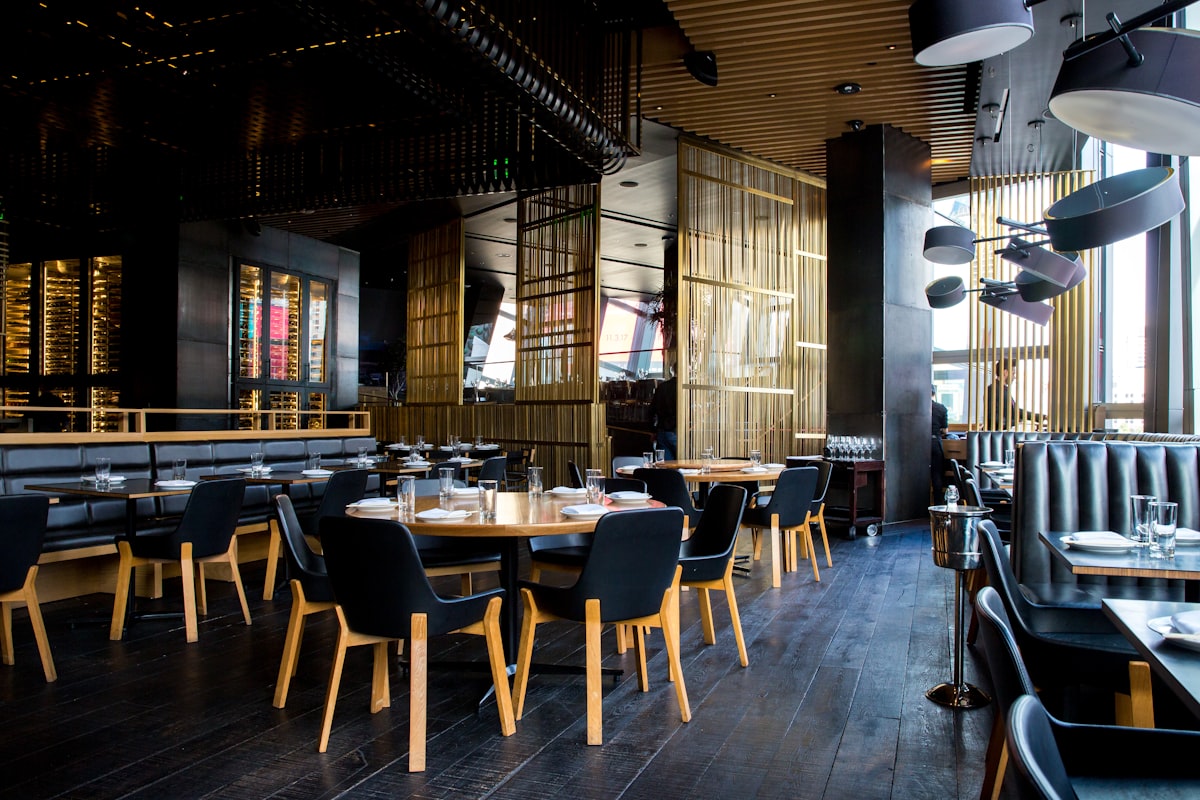
- Interior and exterior: the frontage so people recognise you from the pavement, plus the dining room so they can judge the atmosphere.
- Refresh monthly: Google favours active Profiles, and new seasonal dishes give you a reason to keep uploading.
Encourage happy customers to add their own photos too, as user images sit prominently and read as authentic.
Load the menu and keep hours honest
Use the menu editor to enter dishes, descriptions and prices directly, or connect a menu link. A populated menu means your dishes become searchable text that Google can match against queries like "lamb bhuna near me". Keep prices current, because a customer who arrives expecting the listed price and finds it higher will often say so in a review.
Opening hours deserve constant attention. Set your regular hours precisely, then use special hours for bank holidays, Eid, Christmas and any early closes. Nothing generates a one-star review faster than a customer driving over on the strength of "Open" only to find the shutters down.
Use Posts, Q&A and messaging as live channels
The Profile is not a set-and-forget listing. Several features let you keep it current:
- Posts: publish offers, new menu items or event nights. These appear on your Profile and expire, so a weekly rhythm keeps the listing looking alive.
- Q&A: anyone can ask a question, and anyone can answer, so seed it yourself. Post and answer the questions you actually get: "Do you cater for gluten-free?", "Is there parking?", "Can you do a birthday table for twelve?"
- Messaging: if you switch it on, commit to replying quickly. A slow reply is worse than none, as Google shows your response time.
- Booking and order links: connect your reservation or ordering system so the action button does something useful.
Turn reviews into a ranking and trust engine
Reviews influence both how high you rank and whether a browser becomes a diner. Two habits matter most. First, ask for reviews consistently and legitimately, for example a small card on the table or a line on the receipt with a short link. A steady trickle of recent reviews signals an active, popular restaurant far better than fifty reviews from three years ago.
Second, reply to every review, warm ones and difficult ones alike. Thank people by referencing the dish they mentioned so the reply reads as human. For a poor review, stay calm, acknowledge the specific issue, and invite them back or offer to make it right offline. Prospective customers read your replies as closely as the reviews themselves, judging how you handle pressure.
Never buy reviews or write them yourself. Google's filtering is good at spotting bursts of fake positivity, and the penalty can be the suspension of your entire Profile.
Read the Performance data and defend your listing
The Performance tab tells you how customers found you, which search terms triggered your listing, and how many called, requested directions or clicked through. Watch which queries bring people in and lean your menu descriptions and Posts towards them. If "halal curry" or a nearby place name drives visits, make sure those words appear naturally across your Profile.
Finally, guard against damage. Competitors or pranksters can suggest edits to your address or hours, so check your Profile weekly and confirm the core details are intact. Verify ownership properly, keep a single Profile rather than accidental duplicates, and report any duplicate listings to Google. A clean, accurate, actively maintained Profile is a modest amount of work that keeps paying you back in covers.
Related Articles

Organising a Charity Curry Night for Your Community
A charity curry night builds community goodwill and puts your restaurant in the spotlight. Here's how to organise a great one.

How to Enter and Win a Curry Award
Winning a curry award can transform your business. Here's how to enter, what judges look for, and how to maximise the PR.

Gen Z Dining Habits and What They Mean for Curry
Gen Z eats differently, orders differently, and discovers restaurants differently. Your curry house needs to adapt or miss out.