
From Home Cook to Professional Curry Chef
Plenty of people cook a curry at home that friends swear is better than any restaurant. It is a genuine compliment, and it is also where a lot of misunderstanding starts. The leap from a confident home cook to a professional curry chef is large, and it has far less to do with the flavour of your food than with speed, consistency, systems and stamina. Understanding that gap honestly is the first step to crossing it.
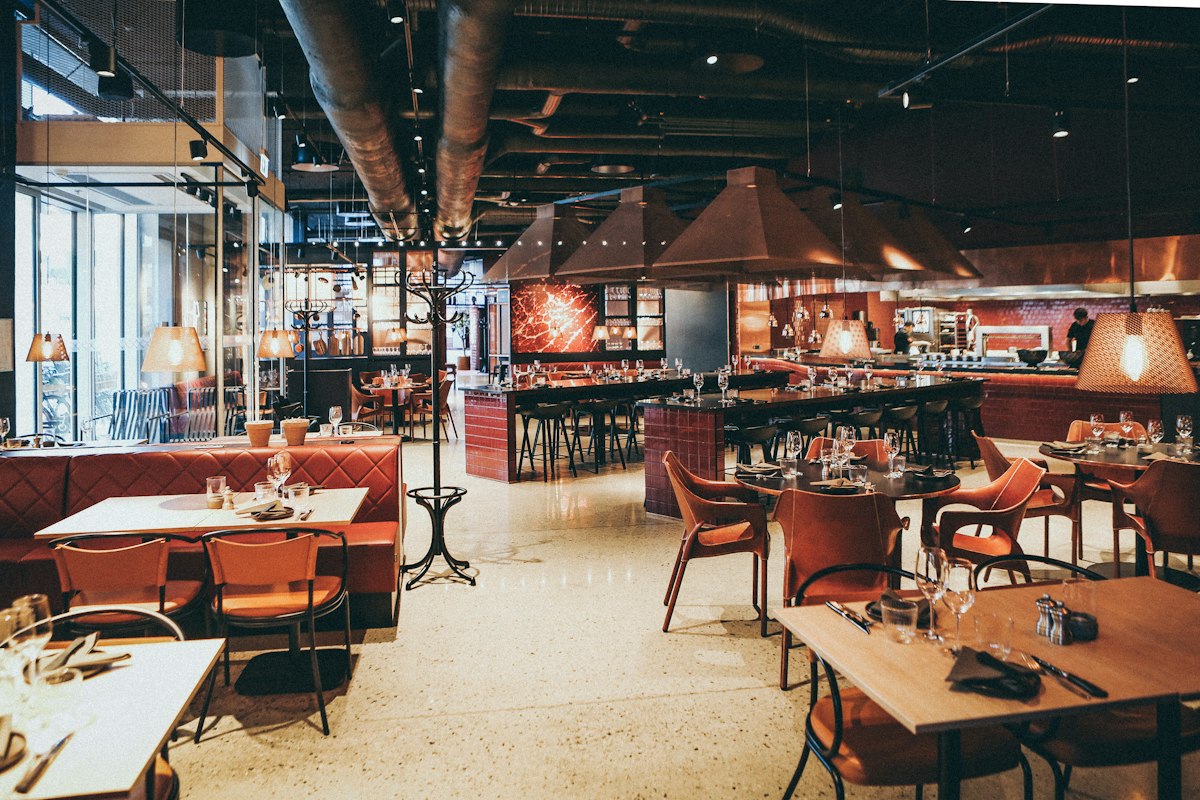
The home kitchen versus the professional line
At home you cook one curry, for a handful of people, at your own pace, and if it takes an extra twenty minutes nobody minds. On a professional line you might be firing fifteen different dishes at once, each to a ticket that arrived at a different moment, all expected to land at the pass hot, seasoned identically to last week, within minutes. The skill being tested is not whether you can make a good rogan josh once. It is whether you can make the fortieth one of the night exactly like the first while three other pans demand attention.
This is why the base gravy exists. Home cooks build each curry from raw onions upward; that is impossible at service volume. Learning to work from a pre-made base, adding the right spices and finishing touches to turn one gravy into a dozen distinct dishes, is one of the defining professional skills and one that surprises almost everyone making the switch.
Learning to scale and prep
Professional cooking lives or dies by mise en place, the disciplined preparation done before a single order comes in. A curry kitchen's afternoon is spent producing the components service will draw on for hours: the base gravy in bulk, marinated meats, blended ginger-garlic paste, toasted and ground spice mixes, chopped onions and peppers, portioned proteins. Get this right and service flows; get it wrong and the whole night collapses into chaos.
Scaling recipes is its own discipline. A blend of spices that tastes balanced for four people does not simply multiply cleanly to forty, and salt, chilli and acidity all need recalibrating at volume. Learning to taste, adjust and season consistently across large batches is a skill that only comes from doing it repeatedly under supervision.
The qualifications you genuinely need
Before working with food commercially in the UK there are non-negotiable basics. Anyone handling food should hold at least a Level 2 Food Safety and Hygiene for Catering certificate, and understanding allergen management is now a legal expectation rather than a nicety, given the rules that require accurate allergen information on every dish. These are not difficult qualifications, but arriving with them shows an employer you take the job seriously.
Beyond the legal minimum, formal cookery qualifications are not strictly required to start, but they help. Many enter the trade through a commis chef or production chef apprenticeship, learning on the job while working towards a recognised standard. Others take a college catering course. None of these replace kitchen experience, but they shorten the climb.
Getting your first kitchen job
Very few people walk straight into cooking curries on the line, and expecting to is the fastest route to disappointment. The realistic entry points are:
- Kitchen porter, washing up and cleaning, which sounds humble but puts you inside a working kitchen where you can watch, learn and prove your reliability.
- Commis chef, the junior cook who preps vegetables, makes the base, and gradually takes on simple dishes under the eye of a senior chef.
- Tandoor assistant, learning the specific and highly prized skill of managing the clay oven, the breads and the grilled meats.
What gets you promoted from these roles is not flair but reliability: turning up on time, keeping your station clean, working fast under pressure and doing the same task the same way every time. Consistency is currency in a professional kitchen.
Building professional speed and resilience
Home cooking is a relaxed pleasure; professional cooking is physical, relentless and hot. New chefs are almost always shocked by the pace of a Friday-night rush and by how long they spend on their feet next to a fierce stove or tandoor. Building the stamina, the knife speed and the calm to keep firing dishes when twenty tickets are hanging takes months, and it is entirely normal to feel overwhelmed at first.
The mental shift matters as much as the physical one. In a professional kitchen you cook to someone else's recipe and standard, not your own preferences, and you take correction constantly without taking it personally. The home cook's instinct to do it their own way has to give way to the discipline of doing it the house way, every time.
Turning talent into a trade
None of this means a gifted home cook cannot become a superb professional. Many of the best curry chefs in Britain started exactly there, cooking for family before they cooked for a living. The difference is that they treated the transition as learning a genuinely new job rather than simply doing their hobby for money. If you can hold on to the passion that made your home curries special while accepting the discipline, systems and sheer physical demand of the professional kitchen, the path is entirely open, and the trade badly needs skilled people willing to walk it.
Related Articles

Amritsari Fish and the Tandoori Roots of Punjabi Restaurant Cooking
Crisp, gram-flour-battered Amritsari fish is one of Punjab's great street-side pleasures, born of dhaba culture and the same tandoor tradition that shaped the British curry house. Here is how it is made and why it matters.
Awadhi Kakori Kebab: The Silk-Smooth Skewer That Demands a Hundred Spices
The Kakori kebab of Lucknow is the most refined of all minced-meat kebabs, tenderised with raw papaya and bound with finely pounded mince and a long list of spices. Its silken texture is the legacy of Awadh's nawabi kitchens.

Goan Vindaloo, Properly: Vinegar, Garlic and the Portuguese Carne de Vinha d'Alhos
The real Goan vindaloo is a vinegar-and-garlic pork curry descended from a Portuguese dish, not a contest to see who can stand the most chilli. Here is how to reclaim it from the British curry-house heat menu.