
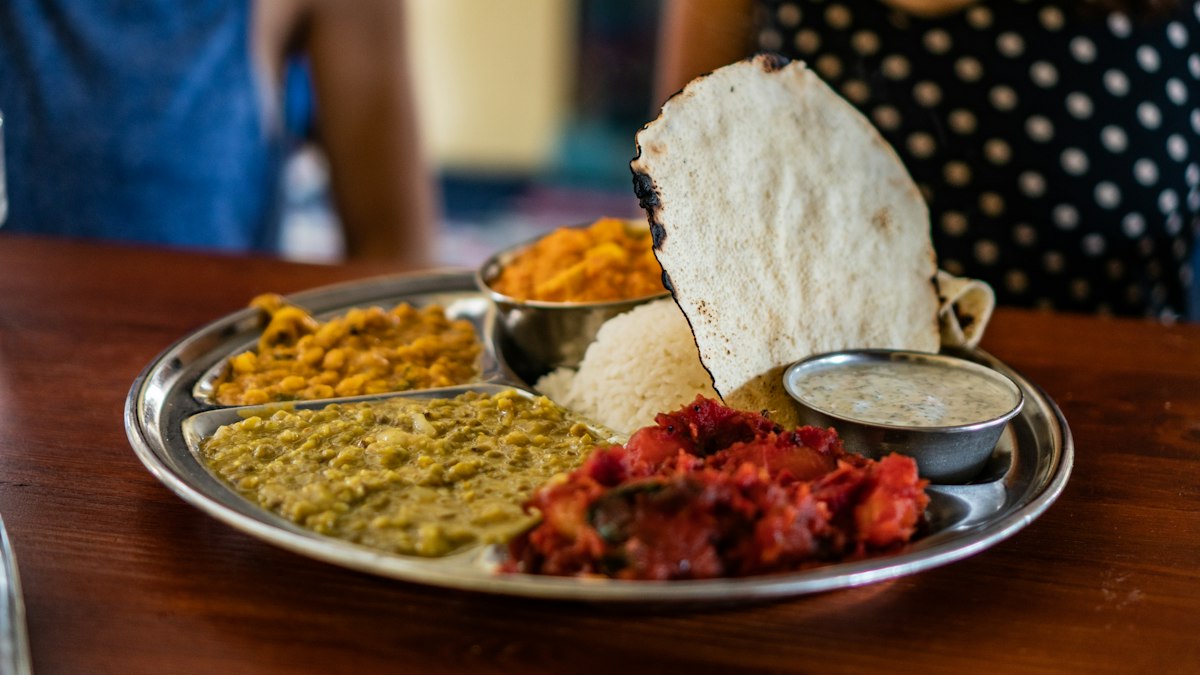
Choosing Beverages for Your Curry Restaurant Menu
Ask most curry restaurant owners where their profit really comes from and, if they are honest, they will point at the drinks fridge before the kitchen. A plate of curry is labour-intensive and tightly costed; a bottle of lager or a mango lassi carries a far healthier margin for far less work. Yet the drinks list is often an afterthought, a few lagers and a dusty wine rack chosen years ago. Building it deliberately is one of the easiest ways to lift both the guest experience and the bottom line.
Drinks that genuinely suit spice
The starting point should be the food, because spice changes how drinks taste and how comfortable the diner feels. Capsaicin heat is soothed by fat, sugar and cold, and stripped bare by high alcohol and tannin. That simple bit of physiology explains why certain drinks belong on a curry list and others fight it.
- Lassi is the natural partner. Sweet mango, salted, or the classic sweet yogurt lassi all coat the palate and calm chilli heat, and a good house lassi is a signature worth having.
- Cold, crisp lager works where a heavy ale would not; the carbonation and chill refresh between mouthfuls.
- Off-dry and aromatic white wines, Riesling, Gewurztraminer, Pinot Gris, have a touch of sweetness and low tannin that flatters spice far better than an oaky Chardonnay or a big red.
- Soft options matter enormously: a proper salted soda with cumin, fresh lime sodas, and non-alcoholic choices for the many curry diners who do not drink.
The non-alcoholic side is not a consolation prize
A large share of curry-house custom, including many Muslim guests, does not drink alcohol, and treating soft drinks as an afterthought leaves money and goodwill on the table. This is a chance to sell something better than a warm can of cola. Freshly made lime sodas, homemade lassi in several flavours, spiced buttermilk, masala chai, and good bottled options give teetotal tables a reason to order a second round. The margin on a made-to-order lime soda is excellent and the ingredients cost pennies. A thoughtful soft list also suits the growing low-and-no-alcohol trend among drinkers who simply want less.
Beer, wine and the house selection
For a licensed restaurant, beer usually leads the alcohol sales, so the range should be chosen with care rather than defaulting to whatever the drinks distributor pushed hardest. A crisp mainstream lager, a premium world lager for those trading up, and increasingly a locally brewed craft option or two give a good spread. Some restaurants do well with a house lager on tap where volume justifies the cellar setup, though many stick to bottles for simplicity and waste control.
Wine is where curry restaurants most often go wrong, stocking heavy reds that clash with the food. A tighter, cleverer list beats a long, tired one. A handful of aromatic and off-dry whites, a rosé, a light and fruity red such as a young Pinot Noir or a soft Grenache blend that can be served slightly cool, and a sparkling option for celebrations will cover almost every table. Keep the list short enough that every bottle sells before it turns, since slow-moving wine is dead money and, once opened, wasted stock.
The licence and the law
Selling alcohol is not a decision to take lightly, because it is tightly regulated. In England and Wales a restaurant needs a premises licence from the local authority under the Licensing Act, and there must be a designated premises supervisor who holds a personal licence. The premises licence sets out permitted hours and conditions, and breaching them risks review and loss of the licence. Staff serving alcohol must refuse sales to anyone under eighteen and to anyone clearly intoxicated, and a Challenge 25 age-verification policy is standard good practice. Scotland and Northern Ireland operate their own licensing regimes with different detail, so an operator should check the rules for their own nation. Many curry restaurants also run a bring-your-own-bottle model to sidestep the cost and responsibility of a full licence, often charging a corkage fee, which can suit a smaller neighbourhood place well.
Margin, pricing and stock control
Drinks are where sensible pricing quietly funds the business. Because the gross margin on beverages typically far exceeds that on food, the drinks list is the lever that lifts the overall margin of the average bill. The craft is in pricing to feel fair while capturing that margin: a mango lassi that feels good value at its price still returns far more than the same spend on a curry. Practical stock discipline keeps it working:
- Stock to genuine demand, especially for wine and any chilled fresh ingredients for lassi and fresh sodas.
- Rotate bottles and cans by date and keep the fridges properly filled so cold drinks are always available at the moment of ordering.
- Watch for wastage and pilferage, the two quiet leaks in any bar.
- Review the list periodically, dropping the lines that do not sell and pushing the ones that do.
Making the list feel like part of the meal
The final touch is presentation. A drinks list that suggests pairings, a cool lager or a mango lassi with a hot vindaloo, an aromatic white with a creamy korma, guides guests towards drinks that will make their food taste better and encourages them to order. Training staff to offer a fresh lime soda instead of a canned drink, or to recommend the house lassi, turns the drinks list from a passive menu into active, profitable hospitality. Done well, the beverage programme does two jobs at once: it makes the curry taste better and it makes the business work.
Related Articles
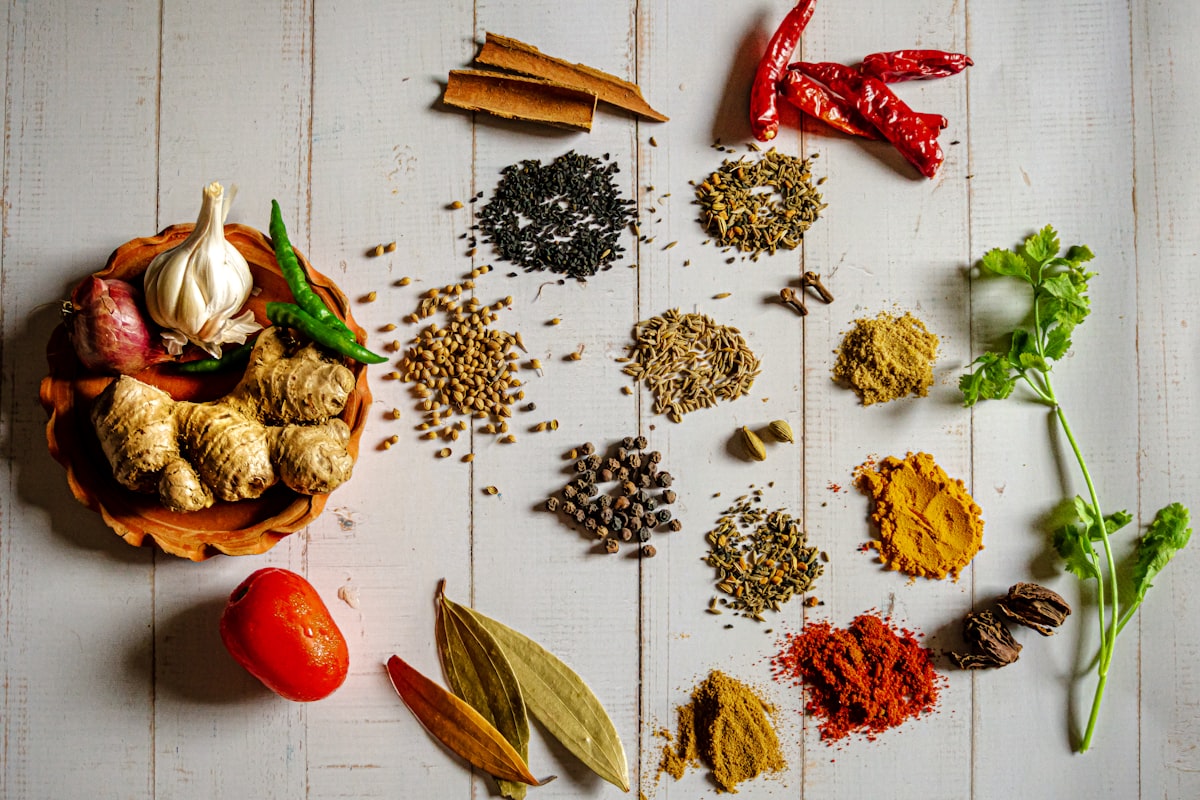
Panch Phoron: Mastering Bengal's Five-Spice Tempering
Panch phoron is the Bengali five-spice blend used whole, never ground, and crackled in hot oil to transform dals and vegetables. Here are the five seeds, the reason they stay intact, and how to nail the tempering every time.

Asafoetida (Hing): The Fermented Resin That Powers Jain Kitchens
Asafoetida, or hing, is a pungent resin that transforms in hot oil into a savoury, almost oniony depth, which is why it sits at the heart of Jain and onion-free cooking. Here is how to bloom it correctly, why it soothes dals, and how to choose pure over compounded hing.

Mustard Oil: The Pungent Soul of Bengali and Bihari Cooking
Mustard oil gives Bengali and Bihari food its unmistakable sharp, nose-tingling kick, but it needs to be heated to smoking point before use to mellow that raw bite. Here is why you smoke it, how it powers fish and pickles, and the curious 'external use only' label found on UK bottles.